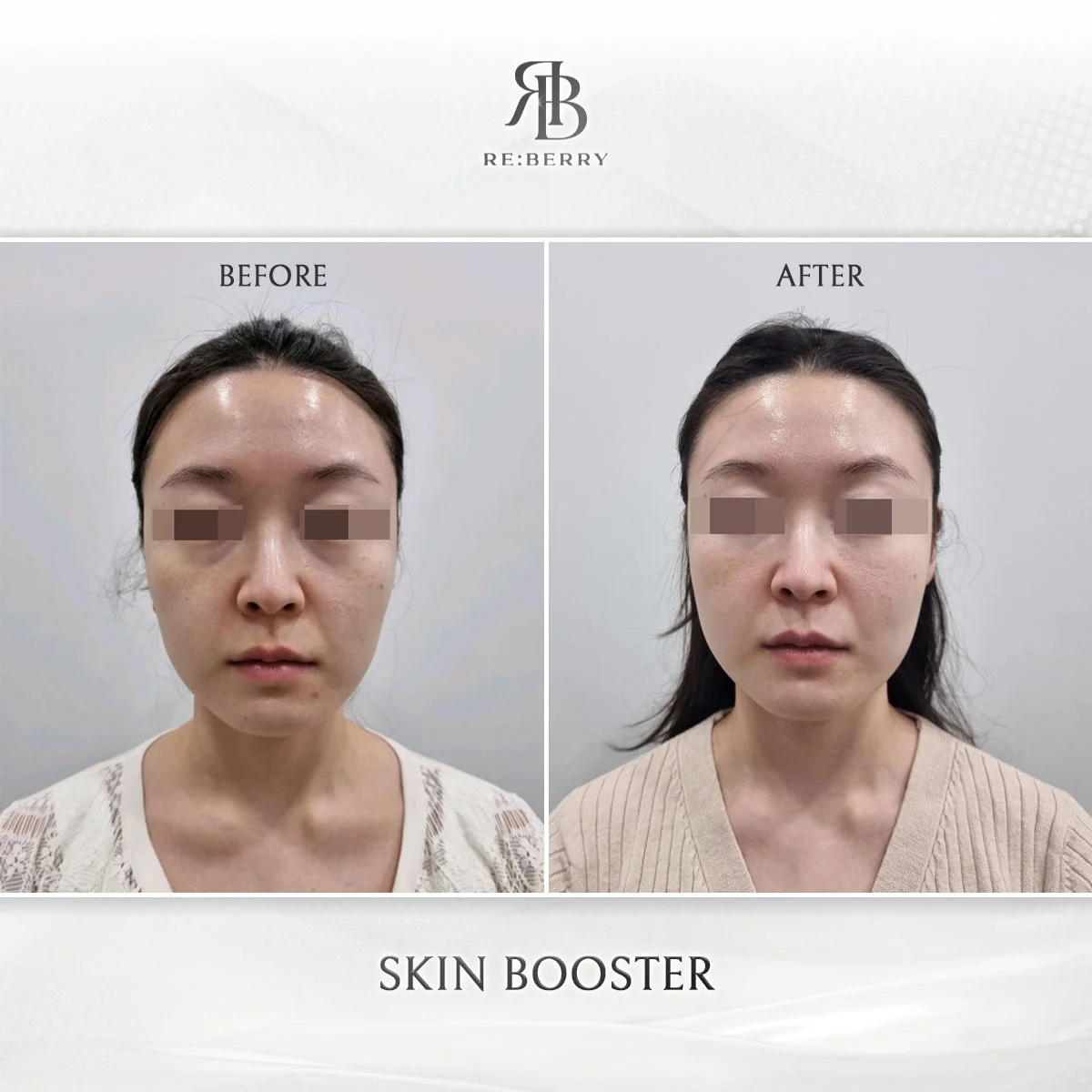
How Laser Treatment Works
Laser treatment operates on the principle of selective photothermolysis, where specific wavelengths of light are absorbed by target chromophores in the skin. Melanin absorbs wavelengths between 532nm and 1064nm, hemoglobin responds to 585-595nm, and water absorbs energy above 1927nm. By selecting the appropriate wavelength, pulse duration, and energy density, laser treatment selectively heats target structures without damaging surrounding tissue. This controlled thermal injury triggers the body's natural healing cascade, producing new collagen and clearing damaged cells.
Types of Medical-Grade Lasers
PicoSure operates at a 755nm wavelength with 750-picosecond pulse durations, creating photomechanical impact that shatters pigment particles into fragments small enough for lymphatic clearance. Genesis laser uses a 1064nm Nd:YAG wavelength with microsecond pulses to gently heat the upper dermis, reducing redness and stimulating collagen production at controlled depths of 1-2mm. Pico Fraxel combines fractional delivery with picosecond speed, creating 100-200 microscopic treatment columns per square centimeter to remodel scar tissue and tighten pores.
What Laser Treatment Treats
Laser treatment in Gangnam addresses a broad range of dermatological concerns. Pigmentation issues including sun spots, melasma, and post-inflammatory hyperpigmentation respond to toning protocols using PicoSure, typically requiring 5-10 sessions at 2-4 week intervals. Acne scarring and enlarged pores improve through Pico Fraxel fractional resurfacing, with measurable pore diameter reduction beginning after 3-4 sessions. Vascular concerns such as rosacea, broken capillaries, and diffuse redness are treated with Genesis laser, which targets superficial blood vessels at the dermal-epidermal junction.
Hair Removal Applications
Medical-grade laser hair removal uses 755nm or 810nm diode wavelengths to target melanin in hair follicles during the active growth phase. Each session eliminates 15-25% of treated hair, requiring 5-8 sessions spaced 4-6 weeks apart for 80-90% permanent reduction. Laser parameters are adjusted for each patient's Fitzpatrick skin type to ensure safety across diverse skin tones.
Who Benefits from Laser Treatment
Laser treatment candidates range from patients in their 20s addressing early acne scarring to those in their 50s-60s seeking collagen stimulation for age-related textural changes. Fitzpatrick skin types I through V can receive laser treatment when parameters are adjusted appropriately, with types IV-V requiring lower fluence and longer intervals to prevent post-inflammatory hyperpigmentation. Patients with active skin infections, isotretinoin use within the past 6 months, or a history of keloid scarring require medical clearance before starting laser protocols.
The Treatment Process in Gangnam
A standard laser treatment session in Gangnam begins with cleansing and application of topical numbing cream for 20-30 minutes. The actual laser procedure takes 15-45 minutes depending on the treatment area and laser type. PicoSure toning for full-face pigmentation requires approximately 15-20 minutes, while full-face Pico Fraxel sessions take 30-45 minutes due to the precision required for fractional coverage. Cooling systems integrated into laser handpieces maintain skin surface temperature during treatment.
Post-treatment, mild redness and warmth resembling a sunburn typically resolve within 2-6 hours for toning lasers. Pico Fraxel produces micro-crusting that clears within 5-7 days. An aesthetic medicine specialist at RE:BERRY evaluates skin response after each session and adjusts energy parameters by 5-10% increments to optimize results while maintaining safety margins. Most patients resume normal daily activities immediately after toning sessions.
Understanding Laser Treatment Protocols
Treatment protocols vary based on the primary concern. A pigmentation toning course consists of 5-10 PicoSure sessions with 2-3 week intervals, followed by maintenance every 2-3 months. Scar revision with Pico Fraxel follows a 4-6 session protocol at 4-week intervals. Combination approaches pairing toning with fractional delivery in alternating sessions address multiple concerns simultaneously, reducing the total treatment timeline by 30-40% compared to sequential single-laser protocols. Habbema L et al. documented significant skin texture improvement using fractional picosecond technology across multiple skin types. Habbema L et al. Lasers Surg Med. 2014;46(8):601-606. doi:10.1002/lsm.22278